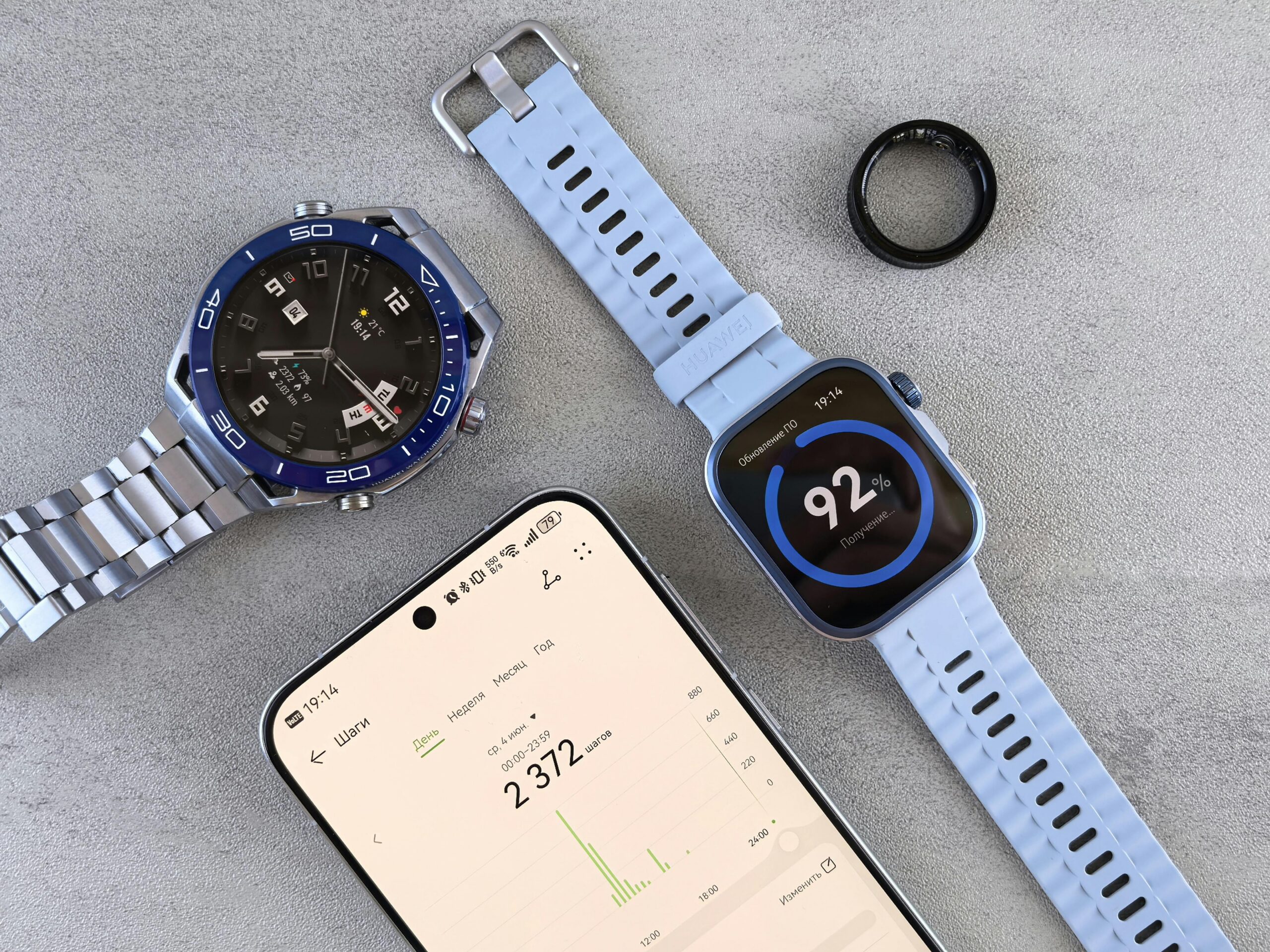
In a quiet suburb of Austin, Texas, 68-year-old Maria Rodriguez hasn’t seen the inside of her cardiologist’s office in over a year. Yet, her care team has a more intimate, real-time understanding of her heart health than ever before. The reason isn’t a miracle drug or a revolutionary surgery, but a suite of sophisticated sensors woven into her daily life: a clinical-grade smartwatch, a discreet patch monitoring pulmonary pressure, and a connected blood pressure cuff. Maria is part of a silent revolution, one where wearable technology is fundamentally rewriting the economics of healthcare, shifting the paradigm from reactive treatment to proactive, personalized management. As we move through 2026, this fusion of biometrics, AI, and connectivity is no longer a futuristic promise—it’s a present-day engine for cost containment and dramatically improved health outcomes.

From Data Points to Preventative Pathways
The core value proposition of modern wearables lies in their transformation of episodic data into continuous health narratives. Early devices counted steps and measured sleep; today’s FDA-cleared platforms track atrial fibrillation, blood oxygen trends, glucose levels without fingersticks, and even early signs of physiological stress. This constant stream of data creates a dynamic baseline for each individual, allowing algorithms to detect subtle deviations long before they become emergencies. For chronic disease management—a sector consuming nearly 90% of the nation’s $4.5 trillion annual healthcare spend—this is a game-changer.
Case in Point: The Diabetes and Hypertension Duopoly
Consider the management of Type 2 diabetes and hypertension, two conditions driving massive costs through complications like kidney failure, stroke, and heart attack. Continuous Glucose Monitors (CGMs) linked to smartphone apps now provide actionable insights, not just readings. Predictive analytics can warn a user of a impending hypoglycemic event 20-30 minutes in advance, preventing a dangerous crash. Similarly, ambulatory blood pressure monitors that sync with physician dashboards provide a fuller picture than a single in-office reading, which is often skewed by “white coat syndrome.” This data-driven approach enables precise medication titration and lifestyle interventions, reducing the likelihood of costly downstream events. For employer-sponsored health plans and Medicare Advantage providers, investing in subsidizing these devices for at-risk members has become a clear-cut strategy for reducing claims.
The Economic Calculus: Where the Savings Materialize
The financial impact of widespread wearable adoption is quantifiable across multiple vectors. It represents a strategic reallocation of capital from high-cost acute care to lower-cost preventative tech.
- Reduced Hospital Readmissions: A primary target for cost savings. For conditions like congestive heart failure (CHF), wearables monitoring weight, fluid status, and heart rhythm can alert care teams to early warning signs of decompensation. A 2025 study in the New England Journal of Medicine found that a remote patient monitoring program using wearables for CHF patients cut 30-day readmission rates by 42%. Given that a single avoidable readmission can cost a hospital $15,000 in penalties under value-based care models, the ROI is stark.
- Optimized Resource Utilization: Wearables act as a triage layer. Instead of a patient with non-specific chest pain rushing to the ER, a smartwatch with a validated ECG app can rule out AFib or provide crucial data to a telehealth cardiology service for immediate consultation. This directs patients to the appropriate level of care, alleviating strain on emergency departments.
- Enhanced Medication Adherence: “Smart” pill bottles and ingestible sensors (now more affordable and discreet) track compliance in real-time. For a patient on a $100,000-per-year specialty drug regimen, ensuring adherence isn’t just about outcomes—it’s about protecting a massive pharmaceutical investment from being wasted.
- Productivity Gains and Absenteeism Reduction: For employers, healthier employees are more present and productive. Corporate wellness programs integrated with wearables have evolved from step challenges to sophisticated early intervention platforms, identifying trends in stress, sleep deprivation, and metabolic health that precede burnout and sick leave.
The 2026 Landscape: Integration and the Rise of the “Health Ecosystem”
The critical evolution by 2026 is not in the sensors themselves, but in their integration. Standalone device data is now largely useless. The power is in the platform. We are witnessing the rise of interoperable digital health ecosystems where data from your Apple Watch, your Withings scale, and your Omron cuff flows seamlessly into your Epic or Cerner electronic health record via secure APIs. Your primary care physician can view these trends during a virtual check-up, and AI clinical decision support tools can flag anomalies for review.
This has spurred growth in new service models. Remote Patient Monitoring (RPM) companies now offer full-service packages to clinics, providing the devices, FDA-cleared software, and 24/7 clinical oversight teams. For a flat monthly fee per patient, a cardiology practice can extend its reach and provide high-touch care without expanding its physical footprint. Meanwhile, direct-to-consumer chronic care management apps, often developed in partnership with major health systems, offer subscription-based coaching layered atop wearable data.
Navigating the New Market: A Guide for Informed Adoption
For consumers and healthcare administrators looking to leverage this technology, discernment is key. Not all wearables are created equal.
- Seek FDA Clearance, Not Just Approval: For managing serious conditions, look for devices that have undergone the FDA’s 510(k) clearance process for specific clinical claims. This is a higher bar than general wellness certification.
- Prioritize Interoperability: Ask: “Does this device’s data platform integrate with my hospital’s patient portal or my chosen telemedicine provider?” Closed ecosystems limit utility.
- Understand the Reimbursement Landscape: In 2026, Medicare and many private insurers have expanded CPT codes to cover RPM for a broader range of conditions. Patients should verify coverage with their Medicare Advantage plan or commercial health insurance provider before enrolling in a monitoring program.
- Value Clinical Support: The device is just a tool. The real value is in the clinical response to the data. Opt for programs that include access to nursing support or care coordinators.
The Road Ahead: Challenges and the Human Element
This revolution is not without its hurdles. Data privacy and security remain paramount concerns, as highly sensitive health data becomes a target. The digital divide also risks creating a two-tiered system where only the tech-savvy and affluent benefit. Furthermore, the deluge of data can lead to clinician alert fatigue if not properly managed by intelligent software.
Ultimately, the most successful applications of wearable tech in 2026 are those that enhance, not replace, the patient-clinician relationship. The goal is to create more meaningful touchpoints. As Dr. Anika Patel, a leading digital health strategist at Johns Hopkins, notes, “The wearable doesn’t diagnose. It empowers. It gives the patient agency over their own health narrative and gives the clinician a high-definition lens into the 99% of the patient’s life not spent in the exam room.”
Conclusion: A Sustainable Model for the Future
The trajectory is clear. Wearable technology has matured from a consumer gadget into a core component of a sustainable, value-based healthcare infrastructure. By enabling true preventative care, personalizing treatment, and creating efficiencies across the system, it is delivering the elusive dual mandate of modern medicine: better outcomes at lower costs. The story of Maria in Austin is being replicated millions of times over. As integration deepens and AI becomes more sophisticated, this silent revolution promises to foster a world where healthcare is less about managing sickness and more about sustaining wellness—a financially sound proposition for nations, employers, and individuals alike. The future of healthcare is not just in the hospital or the clinic; it’s on our wrists, our skin, and in the seamless, intelligent networks that connect us to our caregivers.
Photo Credits
Photo by Andrey Matveev on Pexels

Leave a Reply